

 800-901-1102
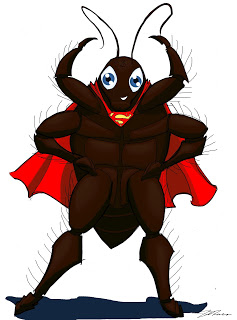 It’s the German cockroach that is now being dubbed the “Superbug” of the insect world. These tiny roaches are swift, prolific and love to live right up close and personal with human beings.
Blattella germanica, better known as the German cockroach, is developing resistance to a range of pesticides. This inborn resistance is making them nearly impossible to kill and is making their extermination an ongoing exercise in fighting nature’s ability to adapt. What’s really scary, is this cross resistance, to a range of toxic pesticides, is happening in just one generation. German roach offspring are being born already resistant to toxins that they haven’t directly been exposed to.
Researchers are now saying that because of this inborn resistance, these roaches will be almost impossible to kill with pesticides alone.
Ridding homes of these superbugs will require a strategy that combines insecticides with a combination of mechanical strategies, including, improved sanitation, traps, and the implementation of the vacuum t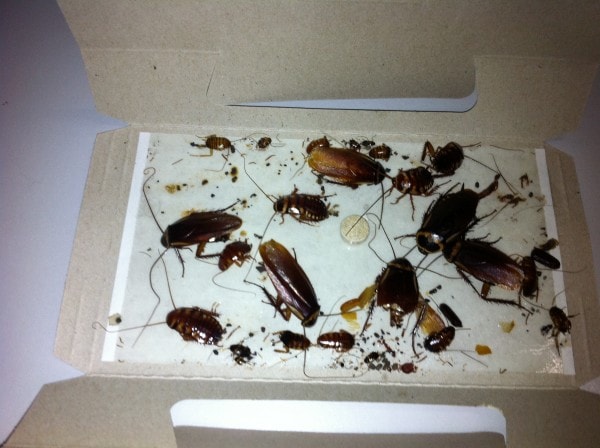 o suck up the hordes. This multi- faceted approach is far more effective than pesticides alone.
Why are we so concerned with the extermination of these little menaces? Besides being a psychological stresser in some people (causing fear and panic), these roaches spread disease causing bacteria and their feces and shed body parts carry allergens that activate allergic reactions and asthma.
Getting rid of these superbugs is now requiring superhuman effort and our researchers and pest control professionals are gearing up for the job.
German Roach Facts:
- Out of 4000 species of cockroaches worldwide, the German cockroach is the most common species.
- German cockroaches eat almost anything; hair, glue, soap, and even toothpaste. They are most fond of starches, sweets, meats, breads, gravies, and almost any other human or pet food.
- Female cockroaches protect their eggs by putting them into a thick protective case that is called an oothecal. One female German cockroach can place 40 eggs in one oothecal. These egg cases are not susceptible to most pesticides.
- One female roach can theoretically produce hundreds of thousands of cockroaches in just one year.
- Newly born German cockroaches become adults in about 36 days.s
- Because they’re cold blooded, cockroaches can live without food for one month but only one week without water.
- They can also live about a month without a head.
 They breath through small holes in their body segments so they do not depend on their mouth or head to breathe. The roach only dies because without a mouth it can’t drink, so it dies of thirst.
0 Comments