

 800-901-1102
Put the movie “The Birds” together with the 1999 film, “Murder of Crows” and you have a great horror show and it’s playing out right here is Southern California.
Look, up in the sky, great flocks of crows are winging their way from communal rookeries and then dispersing throughout the counties, on the hunt for needed resources, food mainly. These great flocks are known as “Murders”, and the number of members can range into the thousands.
In San Diego County, the largest roost (place of gathering) is situated along the Sweetwater River, adjacent to the Plaza Bonita Center and east of the 805 freeway. It is estimated that 6000 of them sleep there and this population fluctuates somewhat, during the breeding season. Crows are cooperative breeders, which means they often stay close to the place where they were born and help raise and defend the area’s young chicks. When it’s time to produce young, the female will lay four to five eggs and incubates them for 18 days. At 4 weeks, the chicks are able to leave the nest, though their parents still feed them until they are around 60 days old. Crows can live up to 14 years.
Crows are very social, have tight-knit families and they mate for life. They roost in huge numbers in order to protect themselves from enemies like red-tailed hawks, horned-owls, and raccoons. Crows are extremely intelligent birds. They are known for their problem-solving skills and amazing communication skills. For example, when a crow encounters a mean human, it will teach other crows how to identify that human. In fact, research shows that crows don’t forget a face.
Crows are pred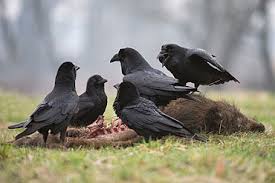 ators and scavengers, which means that they will eat practically anything. Their diet consists of various road-kill, insects, frogs, snakes, mice, corn, human fast food and garbage, even eggs and nestlings of other birds.
Why has this denizen of the skies become so much in the eye of the public? It’s not just its’ habit of ominously, sitting in trees, in the thousands and being annoyingly vocal. Its’ the fact that they are carriers of West Nile Virus, which is transmitted to the bird through the bi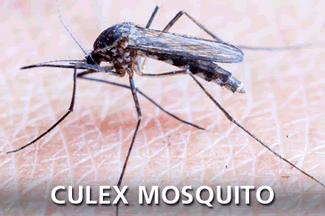 te of a Culex mosquito. This virus, once introduced into the system of the bird, incubates and multiplies, making the bird a vessel of virus, waiting for other mosquitoes to take a sip of its blood and fly off spreading the virus to other crows, birds, animals and even humans.
Health officials conduct surveillance for West Nile virus by testing local birds. Finding dead birds may be a sign that West Nile virus is circulating between birds and the mosquitoes in an area.
Currently, no vaccine against WNV infection is available. The best method to reduce the rates of WNV infection is mosquito control on the part of municipalities, businesses and individual citizens to reduce breeding populations of mosquitoes in public, commercial and private areas via various means including eliminating standing pools of water where mosquitoes breed, such as in old tires, buckets, sagging gutters, and unused swimming pools. On an individual basis, the use of personal protective measures to avoid being bitten by an infected mosquito, via the use of mosquito repellent, window screens, avoiding areas where mosquitoes are more prone to congregate, such as near marshes, and areas with heavy vegetation, and being more vigilant from dusk to dawn when mosquitoes are most active offers the best defense.
West Nile Virus killed 45% of American crows at its start across the U.S., in 1999.
Since then, affected bird populations are leveling off or recovering. As fo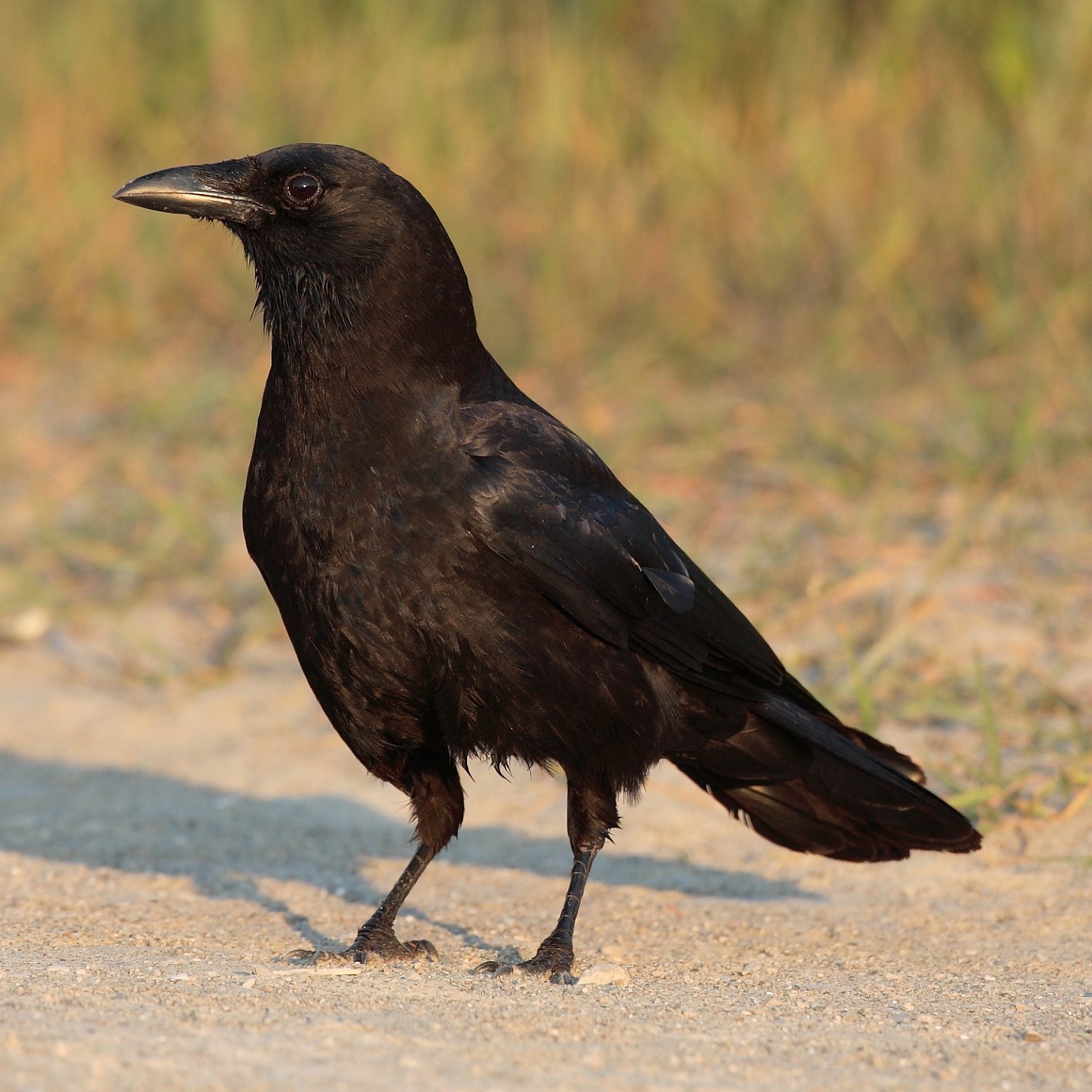 r crows, the steepest part of their decline seems to be over evidenced by the huge numbers of birds gathering in area roosts all over Southern California and elsewhere.
0 Comments