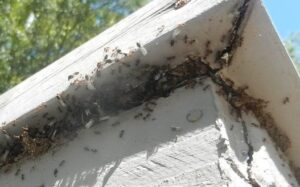
They’re everywhere! Termites are active across the state of California, from Redding to San Francisco, down to Fresno, Bakersfield, Los Angeles, Riverside, and San Diego.
Both
subterranean and
drywood termites are well-known for damaging homes in California. And combined with all the lesser known species, they are responsible for millions of dollars in damage each year.
Dampwood termites are also common in California. But, this species is less likely to damage structures than subterranean and drywood termites.
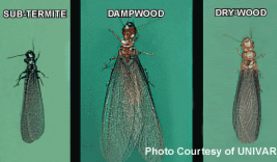
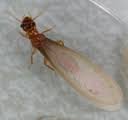 Formosan termites
, a type of subterranean termite rare to Southern California, was first identified in La Mesa (San Diego County), California, in 1992 and their numbers have been increasing ever since.
In general, termites swarm on a warm day following a rainy spell. Swarms also have a tendency to occur during the winter in heated buildings. The following is a list of swarming habits of California’s most common termite species.
- The western subterranean termite is a daytime swarmer. It will swarm on a warm day after a rainy spell, in autumn, winter, or early spring.
- The arid-land subterranean termite usually swarms during daylight hours in the fall, late winter, and early spring.
- The desert subterranean termite swarms during the summer, from July to September. This termite swarms at dusk, after a rain.
- The formosan termite, in San Diego County, typically swarms from May to September. They always occur in the early evening and on days during which the daytime temperature exceeds 88°F (31.1°C). Thereafter, smaller swarms may take place periodically as suitable conditions occur.
- The western drywood termte, swarms during the summer rainy season, from July to September. This termite swarms at dusk, after a rain.
- The desert drywood termite swarms at night from June to September.
- The Pacific dampwood termite most often swarms from August to October, just before sunset.
- The Nevada dampwood termite swarms in the spring at higher elevations, and in summer and early fall in coastal areas. Swarms often take place before sunset.
In states like Calif

ornia where termites are extremely active and widespread, it’s essential to maintain an effective termite
prevention and control program. If you own a home in California, talk to
your termite control expert about methods to help protect your home from termite infestations and damage.
Don’t be fooled, the “termite season” is a myth. Once termites get into your home, they are active, 24/7, all year long, feeding on and damaging wood members with one objective in mind, increasing the size of their colony.
Interesting termite facts:
- Termites damage approximately 600,000 homes in the U.S. each year.
- U.S. residents spend an estimated $5 billion annually to control termites and repair
 termite damage.
- Homeowners will spend, on average, $3,000 to repair the damage termites wreck upon their homes.
- States with the heaviest termite activity include Hawaii, Lo
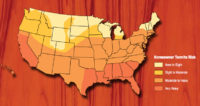
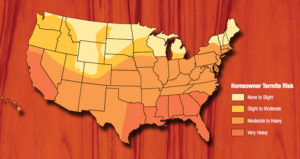 uisiana, Mississippi, Alabama, Florida, Georgia, South Carolina, the eastern part of Texas, and most of California. Homes in these areas have the greatest risk for termite damage.
- Damage caused by termites in the U.S. is greater than that of fires, storms, and floods combined.
- Your Homeowner’s Insurance does NOT cover termite damage.
- While a very r
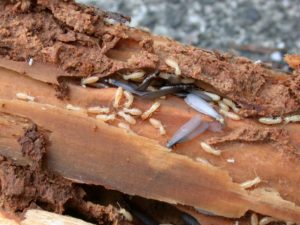 eal threat to wooden structures, termites are also beneficial. Their ability to digest cellulose helps them recycle the nutrient base of the planet.
General information:
https://en.wikipedia.org/wiki/Termite
http://insects.about.com/od/termites/a/10-Cool-Facts-About-Termites.htm

 800-901-1102
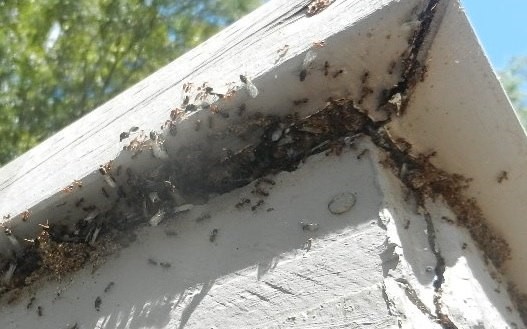 They’re everywhere! Termites are active across the state of California, from Redding to San Francisco, down to Fresno, Bakersfield, Los Angeles, Riverside, and San Diego.
Both subterranean and drywood termites are well-known for damaging homes in California. And combined with all the lesser known species, they are responsible for millions of dollars in damage each year. Dampwood termites are also common in California. But, this species is less likely to damage structures than subterranean and drywood termites.
They’re everywhere! Termites are active across the state of California, from Redding to San Francisco, down to Fresno, Bakersfield, Los Angeles, Riverside, and San Diego.
Both subterranean and drywood termites are well-known for damaging homes in California. And combined with all the lesser known species, they are responsible for millions of dollars in damage each year. Dampwood termites are also common in California. But, this species is less likely to damage structures than subterranean and drywood termites.
0 Comments