

 800-901-1102
Nationwide, termites cause more than $2.5 billion worth of damage to homes each year. Crawling up into sill plates or foundation posts from damp soil, and flying into attics or crawl spaces, these relentless insects tunnel into and eat wood, leaving nothing but paper-thin layers where strong supports used to be. They silently wreak havoc on homes and other structures.
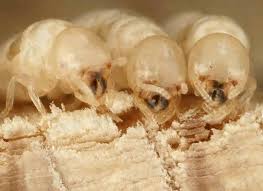

Now scientists have found that besides being home wreckers, termites are also,
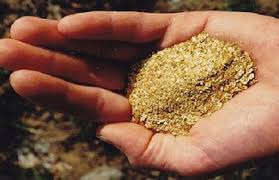
Most gold today is produced in large open-pit and deep underground mines. However, small-scale gold mining is still common, especially in third-world countries.
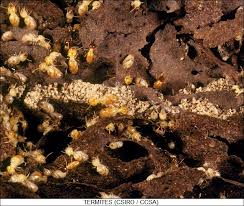
A recent study by Australian scientists found that termites excrete trace deposits of gold. According to The Commonwealth Scientific and Industrial Research Organization (CSIRO) a federal government agency for scientific research in Australia, the termites burrow beneath eroded subterranean material, which typically thwarts human attempts to find gold, and ingest and bring the new deposits to the surface. They believe that studying termite nests may lead to less invasive methods of finding gold deposits.
In addition to gold particles being present in the mounds, gold can also be detected in the termites themselves if there is a high concentration of the valuable metal in the vicinity. Apparently metals like gold ca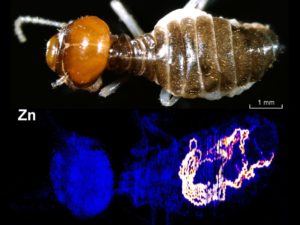 n build up in the digestive systems of insects, and show up as tiny kidney stone-like lumps. Researchers also believe that termite waste is a “driving force” for how metals get redistributed throughout an ecosystem.
Scientists have often relied on insects to guide exploration.
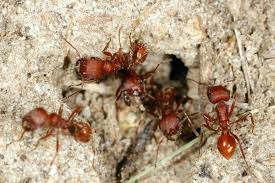
Harvester Ant Nest
For instance, paleontologists often comb through ant mounds to look for any miniature fossil bones and teeth the insects might have carried back to their nests.
Termites do not specifically select gold to bring into their nests. It is a fortunate consequence of their nest-building technique and their technique effectively helps exploration companies find mineral-rich deposits without expensive drilling.
Australia isn’t the first place where termite mounds have been used to prospect for gold deposits. In fact, civilizations in Africa have been using termite and ant mounds to prospect for gold deposits for hundreds of years and gold isn’t the only mineral discovered either. Copper, nickel, and even diamond mines have been discovered by checking out termite mounds.
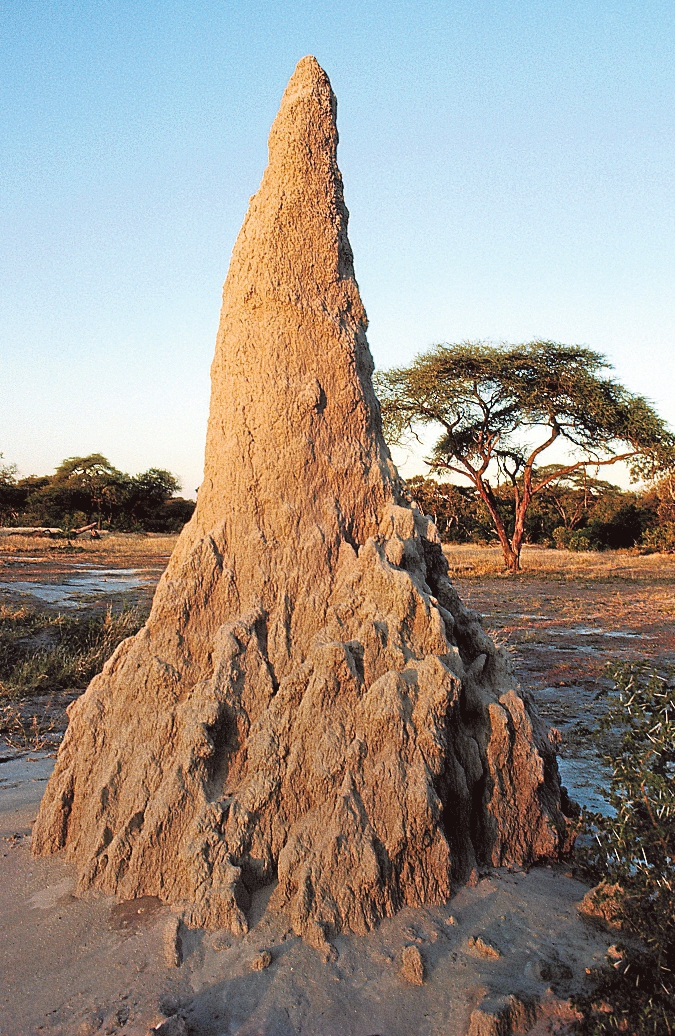
African Termites
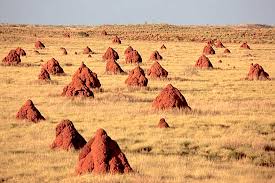
Australian Termites
 So, if you’re catching “Gold Fever”, grab your pick and shovel and a metal detector and head out to discover where termites (or ants) may be nesting near you. There may be gold in them there mounds!
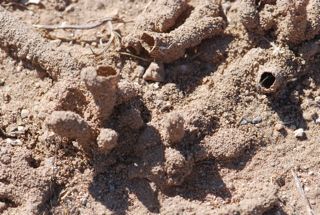
U.S. Desert Subterranean Termite Tubes
0 Comments