

 800-901-1102
You come in from a hike, pull off your socks, and find a small dark speck stuck to your ankle that was not there this morning. Ticks in California show up in several species, but only a few bite people regularly. The species, season, and where you were outdoors all shape what level of attention the bite deserves.
The bigger issue is whether ticks are finding shelter in shaded landscaping, tall grass, or areas where pets spend time. That distinction matters because a bite picked up on a trail calls for different next steps than a tick population that keeps returning to the same yard.
This guide explains which ticks in California to watch for, when they are most active, how to remove one safely, and when repeated yard activity may be worth a professional inspection.
Key Takeaways
- The western blacklegged tick is the species most likely to bite you in California, and it’s the only one that spreads Lyme disease here.
- Nymph activity peaks between March and July in the areas studied most closely, so spring is the highest-risk window, even though bites can happen other times of year.
- Grasping an attached tick with fine-tipped tweezers and pulling it straight out is still the safest removal method, and folk remedies should be avoided.
- Regular yard maintenance and targeted treatment cut down on the habitat that keeps bringing ticks back after a single cleanup.
Common Ticks in California
California is home to a large number of tick species, though only a handful of them regularly bite people. Knowing which species you’re dealing with helps explain the health risks covered later in this guide.
Western Blacklegged Tick
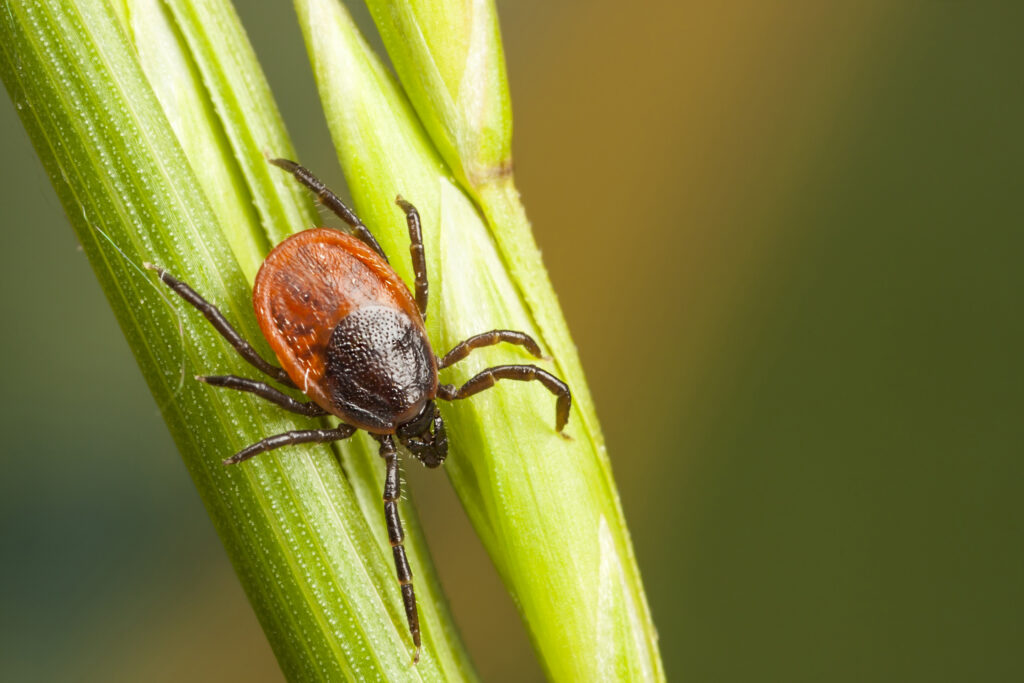
UC’s Integrated Pest Management Program puts the number of established tick species in California at roughly 48, but only six of them bite people with any regularity. The species you’re most likely to run into is the western blacklegged tick, documented in 56 of the state’s 58 counties and known to attach to people more often than any other California tick. People sometimes confuse it with the blacklegged tick found in the eastern United States, but that species does not occur in California, so location alone helps rule it out.
Pacific Coast Tick
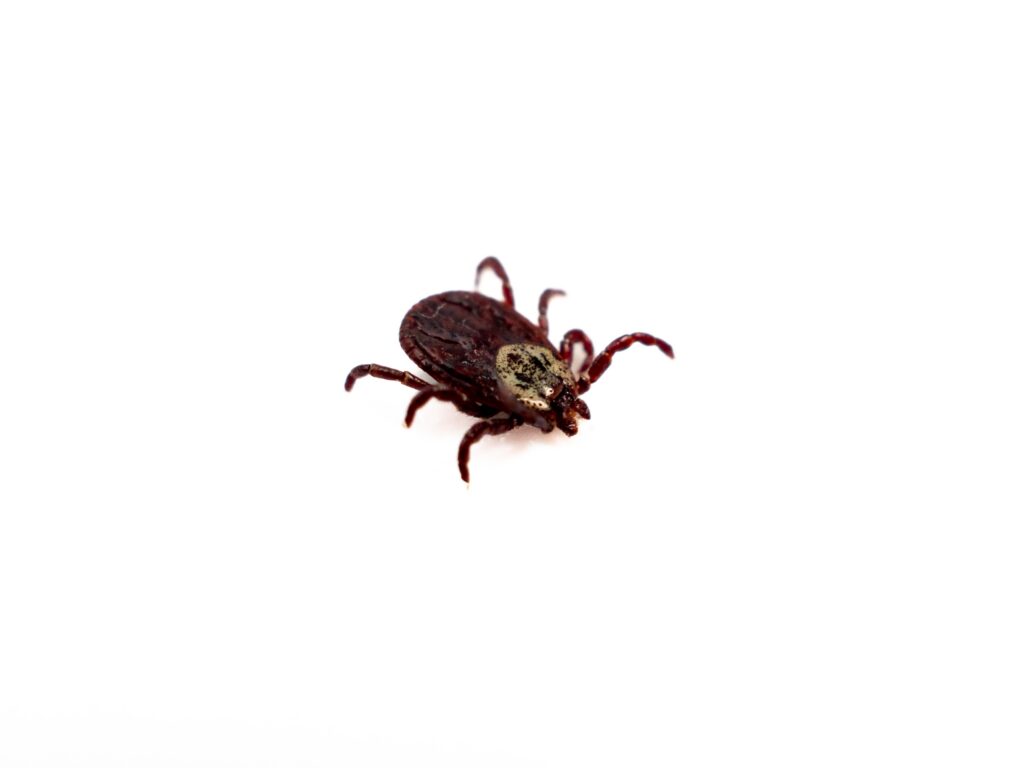
The Pacific Coast tick shows up in brushy and grassy areas across much of the state, often in the same open terrain where the western blacklegged tick is found. It’s a separate species with its own disease profile, covered in the health risks section below.
American Dog Tick
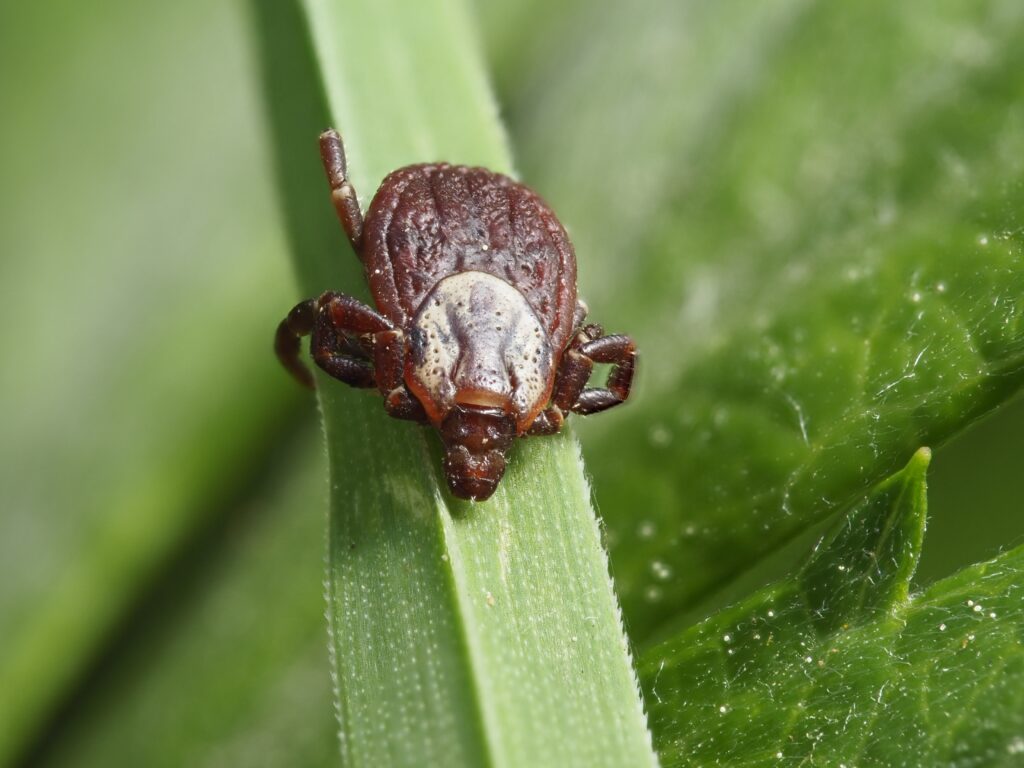
The American dog tick favors grassy and wooded areas, including the margins of hiking trails. It’s less commonly picked up around a typical yard than the other species on this list, but it’s still one of the ticks most likely to attach to a person outdoors in California.
Brown Dog Tick
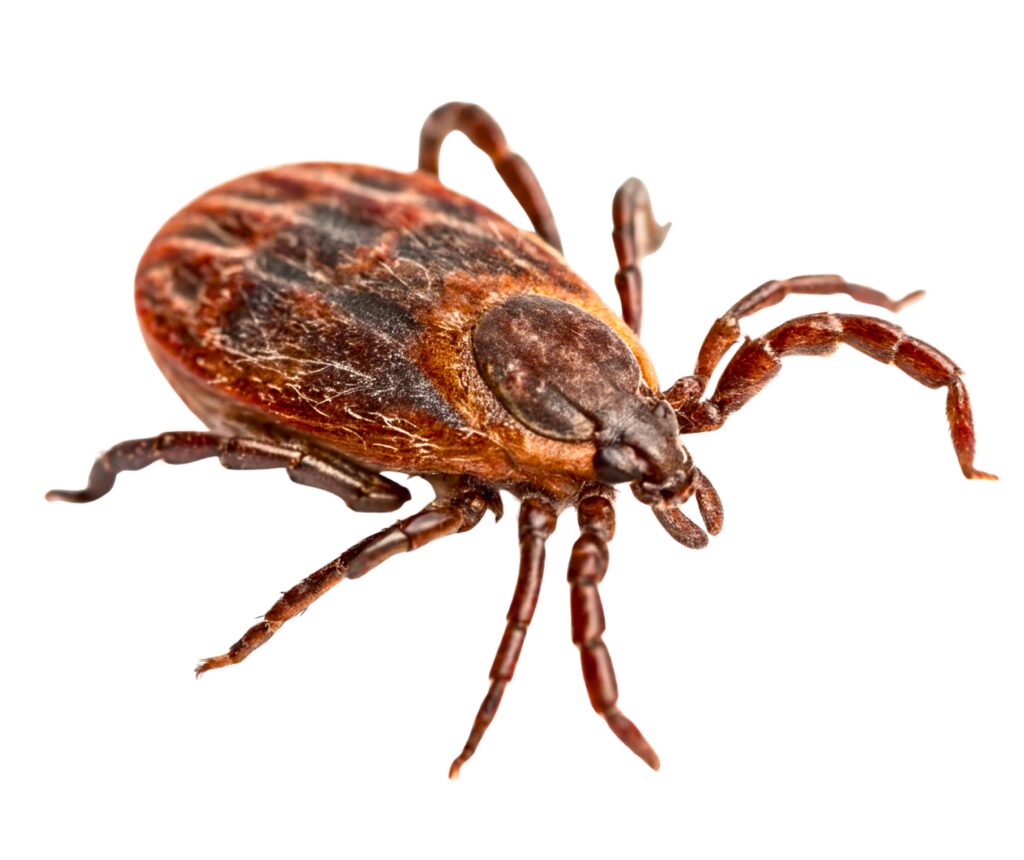
The brown dog tick behaves differently from the others. Rather than waiting in open grass or brush, it tends to turn up around structures, dog runs, and kennels. According to the CDC, it’s the only tick species that can complete its entire life cycle indoors, which is why an infestation can take hold in a home even without exposure to wild vegetation.
When Tick Season Peaks in California
Tick activity isn’t limited to a single month, but some seasons carry more risk than others. Understanding the pattern helps you know when to be most careful outdoors, and it also explains why a bite in April carries different odds than one in November.
Timing matters partly because of which life stage is active. Nymphs, the immature stage responsible for most human Lyme disease infections, are far smaller and easier to miss than adult ticks. Knowing when they tend to be most active gives you a practical reason to be more thorough about tick checks during specific months rather than treating every outdoor trip the same way year-round.
Spring Is the Highest-Risk Window
In northwestern California, where this seasonal pattern has been studied most closely, western blacklegged tick nymphs have been found from January through October, with activity peaking between March and July and numbers typically running highest in mid to late spring.
Activity Can Vary by Region
Activity elsewhere in the state can shift with local climate and elevation, and county-level surveillance data shows how unevenly this tick is distributed across California. Treating spring as the highest-risk window is safer than assuming ticks disappear the rest of the year.
Health Risks Tied to California Tick Bites
Different tick species carry different pathogens, and only six tick species commonly bite people in California. Identifying which one bit you matters more than a generic assumption about what the bite might mean.
Lyme Disease
The western blacklegged tick is the state’s primary Lyme disease vector, though not every bite carries risk. Infection rates aren’t uniform: UC’s Integrated Pest Management Program reports that roughly 1% to 2% of adult ticks and 2% to 15% of nymphs test positive for Lyme-causing bacteria in northern California, and most human infections trace back to nymphs rather than adults. The western blacklegged tick can also transmit bacteria linked to human granulocytic anaplasmosis, which is rarely fatal, along with a relapsing fever.
Other Tick-Borne Illnesses
The Pacific Coast tick carries a separate concern. It’s the only known carrier of Pacific Coast tick fever, which usually produces a painful, scab-like sore at the bite site rather than the expanding rash associated with Lyme disease. American dog ticks and Rocky Mountain wood ticks are the two primary vectors of Rocky Mountain spotted fever, a separate and serious tick-borne illness.
A Note on Southern California Risk
Southern California homeowners shouldn’t assume Lyme risk is identical statewide. Research summarized by UC’s Integrated Pest Management Program shows the highest Lyme disease incidence concentrated in north coast and Sierra Nevada foothill counties, not in Southern California, though the risk isn’t zero, and any attached tick still deserves attention.
Where Ticks Wait for a Host
Ticks don’t jump or fly, so understanding where they wait for a host explains why bites happen in some spots more than others. They rely entirely on passing contact, positioning themselves at the edge of a leaf or blade of grass with their front legs extended in a behavior called questing.
Certain areas of a property or trail carry more risk than others precisely because of this waiting behavior. A stretch of overgrown grass near a fence line, or a shaded corner where leaf litter has piled up, can function the same way a wooded trailhead does for a hiker: it’s simply a spot where a tick has been waiting long enough for contact to be likely.
Common Habitat
Ticks wait in vegetation and grab onto a passing person or animal, and they’re especially common where grassland meets brush or forest. Shaded, moist spots like leaf litter, tall grass, and low shrubs are prime habitat. In one study, 85% of adult ticks that contacted a person’s clothing while walking through grassland attached between the ankle and knee, which is why staying in the center of a trail and avoiding contact with grass or brush reduces exposure.
How Ticks Reach Your Yard
Yards aren’t exempt. Pets that wander through overgrown grass or brush can carry ticks directly into a home, and any property that draws wildlife can sustain a small resident tick population even without obvious signs of an infestation.
How to Remove a Tick Safely
Removing an attached tick correctly matters, and so does reducing how often you run into one in the first place. Technique matters almost as much as speed, since how a tick is removed can affect how much fluid gets pushed back into the bite during extraction.
The steps below cover the safest way to take a tick off your skin, what to avoid doing in the process, and the yard habits that cut down on how often this scenario comes up in the first place.
Step-by-Step Removal
If you find a tick attached to your skin, remove it right away rather than waiting for a doctor’s appointment. Grasp the tick as close to the skin’s surface as possible using clean, fine-tipped tweezers. Pull the tick away from the skin with steady, even pressure, and don’t twist or jerk it, since that can leave mouthparts lodged in the skin. The CDC’s guidance on tick removal walks through this same process step by step.
What Not to Do
Skip the folk remedies. Petroleum jelly, heat, nail polish, and similar tricks don’t help the tick detach and can do more harm than good.
After You Remove the Tick
If mouthparts do break off, tweezers can usually remove them; if they won’t come out easily, leave them alone and let the skin heal on its own. Once the tick is out, clean the bite area and your hands with soap and water, rubbing alcohol, or hand sanitizer, and avoid crushing the tick with your fingers. Dispose of it by sealing it in a container, wrapping it in tape, flushing it, or dropping it in alcohol. Keep an eye on the bite site for a few weeks afterward. A rash, fever, or flu-like symptoms are reasons to contact a healthcare provider and mention the recent bite.
Reducing Tick Exposure Around Your Home
Keeping grass mowed, clearing leaf litter, and trimming back brush along fence lines and walkways removes the shaded, moist conditions that ticks rely on, and checking pets after they’ve been outside helps keep ticks from being carried indoors. These habits help, but they don’t remove an established tick population from shrubs and landscaped areas the way a targeted treatment can.
If ticks keep turning up in the same corner of your yard, no matter how often you mow and clear, that can be a sign the habitat needs direct treatment rather than more upkeep.
Ticks in California: Bottom Line
Tick activity in California isn’t limited to one species or one season. The western blacklegged tick drives most of the Lyme disease risk, but Pacific Coast ticks, American dog ticks, and brown dog ticks each bring their own concerns, depending on where you live and how your yard is landscaped.
Knowing how to remove a tick correctly cuts down your personal risk after a bite, but it doesn’t change the conditions that keep drawing ticks onto your property in the first place. Corky’s Pest Control can inspect tick-prone areas around the property, including dense foliage and harborage areas, and recommend a treatment plan based on where activity is found.
If ticks have shown up in your yard or on a family pet more than once, schedule an inspection with Corky’s to confirm what’s drawing them in and get the right treatment plan.
Frequently Asked Questions
Are ticks a serious problem in Southern California?
Ticks are present throughout Southern California, though research suggests Lyme disease exposure risk is generally lower there than in parts of northern California. Any attached tick still warrants prompt removal and a few weeks of watching the bite site for a rash or fever.
How do I know if a tick bite is from a western blacklegged tick or a Pacific Coast tick?
Location and the appearance of the bite offer clues. A Pacific Coast tick bite often leaves a painful, scab-like sore, while a western blacklegged tick bite associated with Lyme disease more often produces a spreading rash. If you saved the tick, a photo can help a healthcare provider narrow down the species.
Should I have a tick tested after a bite?
Health authorities generally don’t recommend it. Testing labs aren’t held to the same quality standards as clinical labs, and a positive result doesn’t confirm infection, while a negative one doesn’t rule it out. It’s more useful to monitor the bite site and see a doctor if symptoms develop.
When should I see a doctor after a tick bite?
Contact a healthcare provider if you develop a rash, fever, headache, or fatigue in the days to weeks following a bite. Mention when and where the bite likely occurred, since that helps guide diagnosis and treatment. Keeping a quick note of the date and general location of the bite makes it easier to give your provider a complete picture if symptoms do show up.
0 Comments