

 800-901-1102
After a heavy rainstorm, many Southern California homeowners notice something unusual around their homes. Flying insects gather near windowsills, lights, or patio doors, which often causes concern. Termite swarms after rain usually surprise homeowners, especially when it’s their first time.
Rain increases soil moisture and changes outdoor conditions that trigger termite activity. As a result, winged termites leave their nests to find mates and form new colonies. This behavior is a normal part of the termite life cycle, but it often happens near homes.
If you live in San Diego County or nearby inland communities, understanding what these swarms mean can make a real difference. Knowing what to look for and how to respond helps homeowners protect their property before damage spreads and decide when termite control in San Diego, CA, makes sense.
Key Takeaways
When termites swarm in California
This tracks when winged termites swarm in Southern California, not year-round feeding. Subterranean swarms follow spring rains; drywood swarms come in early fall. More squares mean heavier swarm activity.
- Termite swarms after rain usually signal nearby termite activity, not a random bug issue
- Flying termites indoors often point to an established termite colony close to the home
- Moisture problems like clogged gutters and standing water increase termite risk
- Early termite control and inspections help prevent long-term termite damage
Video: How To Identify Termites
This short video walks through the basics of spotting termites and common lookalikes. It explains body shape, antennae, and wing differences so homeowners can tell flying ants from termite swarmers. Watching it alongside this guide helps reinforce termite identification and what signs deserve attention.
Why Termites Swarm After Rain
Termites swarm after rain because moisture creates the right conditions for reproduction. When rain increases soil moisture, the ground softens and allows termites to move more easily. Higher humidity also helps protect termites during flight.
During swarming season, reproductive termites called alates leave the main colony. These swarmers pair up, drop their wings, and search for sheltered areas with access to cellulose. Termites rely on cellulose as their primary food source, which comes from wood, tree stumps, and damp landscaping.
In Southern California, termite swarms often appear in spring and early fall. Subterranean termites usually swarm after rain, while drywood termites may swarm without rainfall, especially in warm coastal areas.
What Flying Termites Mean For Your Home
Seeing flying termites near your home usually points to nearby termite activity. An outdoor swarm does not always mean termites live inside the house, but it does suggest a nearby colony. When swarmers appear indoors, the chance of an active termite problem rises.
Termite swarmers often gather near windows, sliding doors, and light fixtures because they are attracted to light. Many homeowners confuse them with flying ants. Termites have straight antennae, equal-length wings, and thicker bodies.
Termites do not bite people, but they can cause serious damage over time. They feed quietly and stay hidden behind walls or under floors, which makes a quick response important.
Different Types Of Termites You May See Swarming
Not every swarm involves the same type of termite.
Subterranean Termites
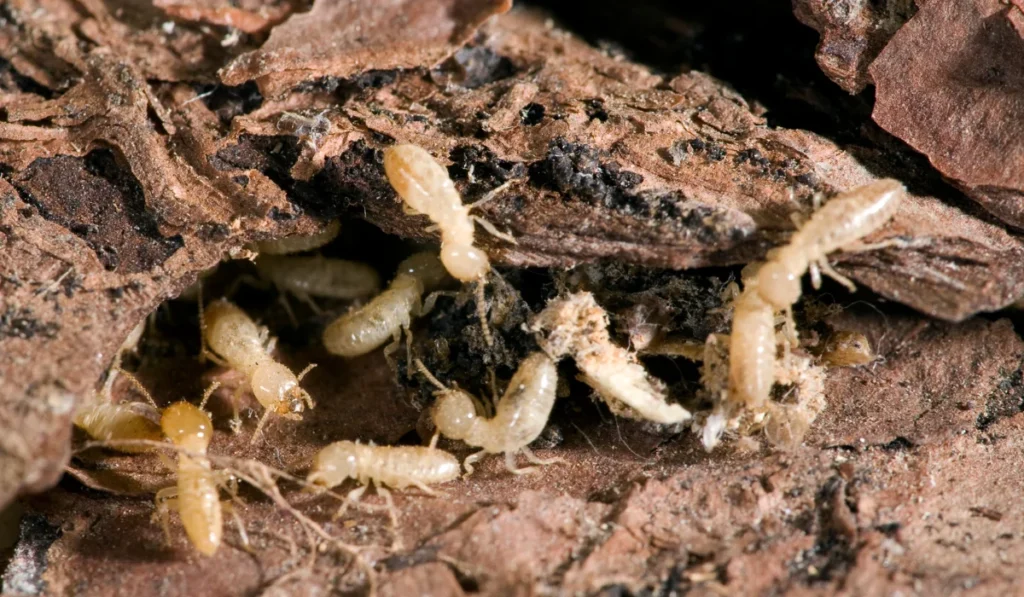
In Southern California, subterranean termites appear most often, especially after rain. They build mud tubes to move between soil and wood and prefer areas with high moisture.
Drywood Termites
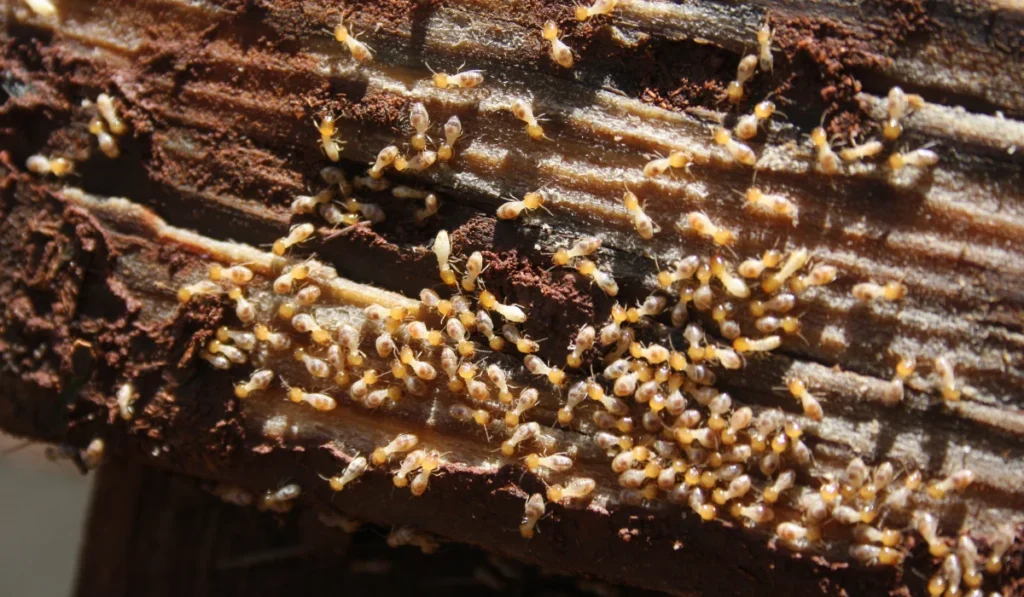
Drywood termites live entirely inside wood and do not need contact with soil. Their swarmers often emerge from attics, eaves, or exposed wood, which surprises many homeowners.
Dampwood Termites
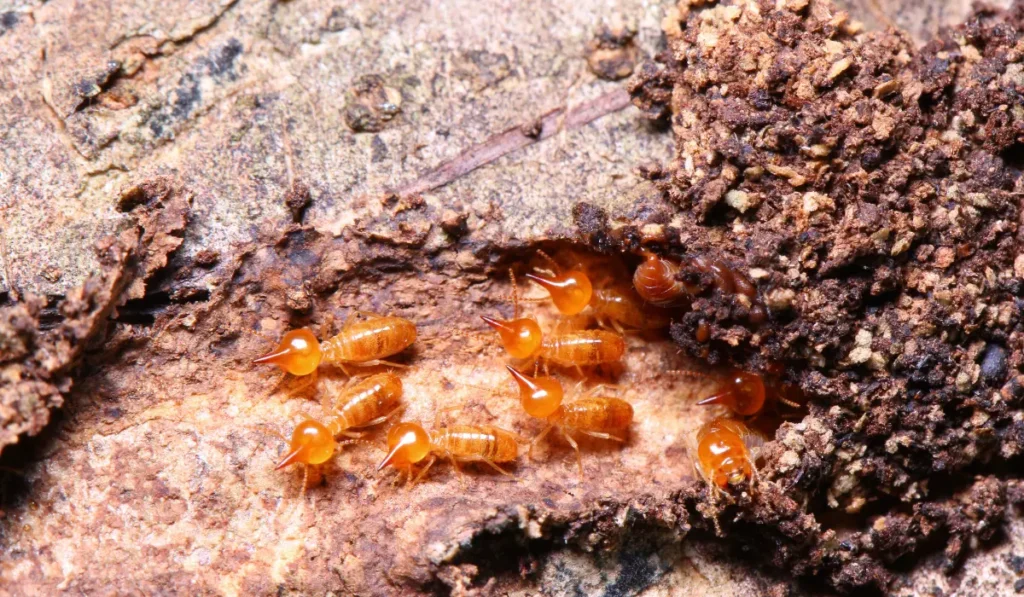
Dampwood termites prefer wood affected by water damage. Leaking pipes, poor drainage, crawl spaces, and old tree stumps provide the moisture they need.
Common Places Homeowners Notice Swarms
Homeowners often first notice termite swarms near windows, doors, and outdoor lights. These areas attract flying termites as they search for light or an exit.
Outside, swarms may appear near overflowing gutters, along foundations, or in areas with poor drainage. Clogged drains and downspouts increase moisture around the home and raise termite risk.
Inside, discarded wings are often the clearest sign. Small piles of wings near windows or baseboards suggest termite swarmers already passed through.
Why Termite Swarms Should Never Be Ignored
A termite swarm does not mean the problem will go away on its own. Once swarmers settle and form new colonies, the risk of long-term damage increases. Termites work quietly, and visible damage often appears late.
Swarms also point to conditions that support ongoing termite presence. Excess moisture, wood-to-soil contact, and drainage problems can lead to future infestations if left untreated.
A professional termite inspection helps determine whether termites entered the home or came from nearby areas. It also helps identify the right next steps.
What Homeowners Should Do After A Swarm
After noticing termite swarms after rain, homeowners should clean up wings and note where the insects appeared. This information helps identify entry points and activity patterns.
Next, reduce moisture sources. Fix leaking faucets, clear gutters, and remove standing water near the foundation. Better drainage around crawl spaces also reduces conditions that are favorable to termites.
Most importantly, schedule a professional termite inspection. A trained exterminator can identify the termite type and confirm whether an infestation exists. Targeted treatment and a long-term protection plan help prevent repeat problems.
For local homeowners, working with a pest control company familiar with regional termite behavior matters. Our team has decades of experience providing termite control in San Diego, CA, and throughout Southern California.
Preventing Future Termite Problems
Termite prevention starts with moisture control and routine inspections. Even homes without termite problems benefit from annual checks, especially after heavy rain.
Removing wood debris, keeping tree stumps away from the home, and improving ventilation all reduce risk. Sealing cracks and monitoring soil moisture near foundations also limits access points.
Ongoing monitoring through a reliable pest control service often costs far less than repairing termite damage later.
Making The Right Choice After A Termite Swarm
Seeing termite swarmers can feel alarming, but it also gives homeowners a chance to act early. Termite swarms after rain serve as a warning sign, not a verdict. When addressed promptly, most termite problems remain manageable.
Understanding termite activity, recognizing signs of termites, and working with a knowledgeable exterminator keep minor issues from becoming major repairs. With the proper guidance and a solid termite protection plan, homeowners can stay ahead of the problem.
If you have questions about swarming termites or want help with termite identification, our team at Corky’s Pest Control is ready to help. Our local expertise and practical termite control solutions give Southern California homeowners a clear path forward.
Contact us today to schedule an inspection or speak with our local expert.
FAQs
What is the difference between flying ants and termites?
Flying termites have straight antennae, equal-length wings, and thicker bodies. Flying ants have bent antennae and uneven wing sizes. Spotting these details helps with proper identification.
Do termite swarms mean my house is infested?
Not always. Outdoor swarms may come from nearby colonies. Indoor swarms usually point to an active termite colony inside the structure and should prompt an inspection.
What time of year do termites swarm in Southern California?
Swarming season often occurs in spring and early fall. Rain, warm temperatures, and increased humidity trigger swarming termites in many local areas.
0 Comments