
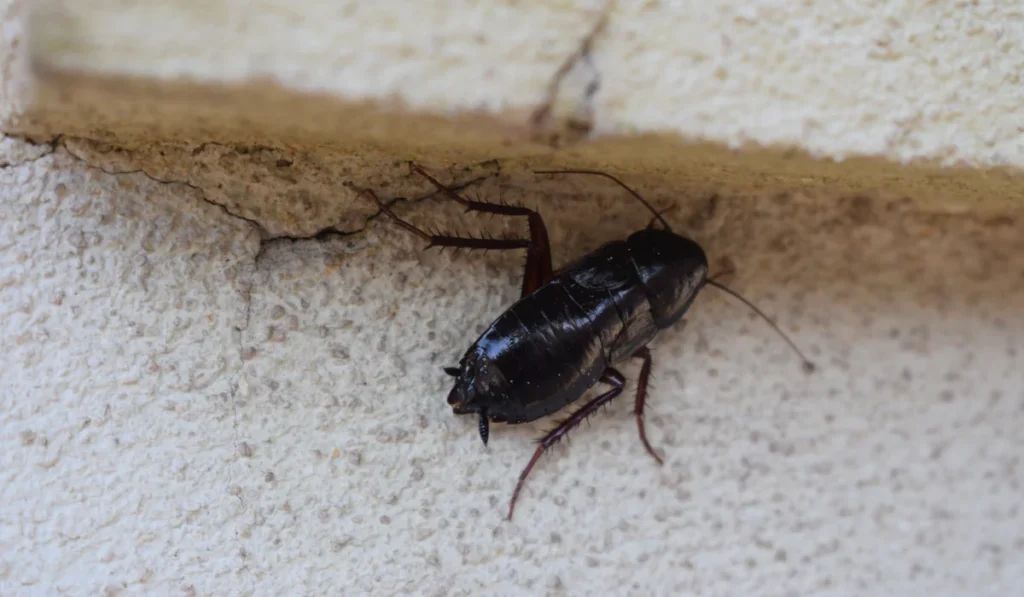
Cockroaches in California are not all the same, and the species you find can change what the sighting means. Some, such as German and brown-banded cockroaches, can live and reproduce indoors, while American, Oriental, and Turkestan cockroaches are often tied to outdoor areas, drains, sewers, crawl spaces, and structural gaps.
This guide explains the five cockroach species California homeowners are most likely to encounter and how to tell indoor breeders from occasional outdoor visitors. You’ll also learn where they hide, how seasonal conditions affect activity, what health risks they can pose, and when professional treatment makes sense. Knowing which species is present is the first step toward choosing the right response.
Key Takeaways
- Cockroach species changes the response. German and brown-banded cockroaches are indoor breeders. American, Oriental, and Turkestan cockroaches often have an exterior or structural source.
- One roach sighting needs context. A German cockroach in a kitchen is more concerning for an indoor infestation than one large American cockroach beside an exterior door.
- Repeated indoor activity needs attention. Nymphs, egg cases, droppings, or roaches of several sizes suggest reproduction nearby and make professional inspection more useful.
The Cockroaches California Homeowners Commonly Encounter
Five species account for many of the cockroach problems found around California homes. Their appearance matters, but habitat often provides the better clue. A small roach beside a refrigerator and a large roach near an irrigation box are telling very different stories.
The UC Statewide Integrated Pest Management Program provides California-specific identification and management information for household cockroaches. Adult measurements vary, so the sizes below are approximate.
| Species | Approximate Adult Size | Typical Pattern | Places to Check |
|---|---|---|---|
| German cockroach | 1/2 to 5/8 inch | Indoor breeder | Kitchens, cabinets, appliances, plumbing areas |
| American cockroach | 1 1/2 to 2 inches | Often associated with damp structural areas and sewers | Drains, crawl spaces, garages, utility areas |
| Oriental cockroach | 1 to 1 1/4 inches | Favors cool, damp locations | Drains, crawl spaces, ground-level areas |
| Brown-banded cockroach | About 1/2 inch | Indoor breeder that tolerates drier conditions | Furniture, cabinets, closets, electronics |
| Turkestan cockroach | About 1 inch | Primarily associated with outdoor habitats | Landscaping, irrigation boxes, debris, garages |
German and Brown-Banded Cockroaches
German cockroaches are small and tan to light brown, with two dark stripes behind the head. Kitchens give them easy access to warmth, food, water, and protected cracks. A female German cockroach can carry an egg case containing roughly 30 to 40 eggs, which helps explain how an indoor population can grow when suitable conditions remain available.
Brown-banded cockroaches also reproduce indoors, but they are less dependent on damp areas. They may hide in furniture, upper cabinets, closets, wall decorations, or warm areas around electronics. Checking only beneath sinks can miss them.
American, Oriental, and Turkestan Cockroaches
American cockroaches are much larger and prefer warm, damp environments. Sewers, drains, utility spaces, crawl spaces, and garages can all support activity. One adult inside may have wandered in, although repeated sightings still deserve investigation.
Oriental cockroaches favor cooler, moist areas near ground level. Turkestan cockroaches are strongly associated with outdoor habitats in California, including irrigation boxes, leaf litter, landscape debris, and sheltered cracks. Either species can enter when openings around the building give them access.
Why the Cockroaches California Homes Get Require Different Responses
Indoor cockroaches change the meaning of a sighting. A German cockroach found beside a stove or refrigerator is unlikely to be using the room in the same way as an American cockroach that entered through a garage. German cockroaches depend heavily on indoor food, moisture, and shelter, so a kitchen sighting can point toward nearby breeding activity.
Nymphs are especially useful clues. Young cockroaches don’t travel as widely as adults, so seeing German nymphs or several sizes of roaches in the same area makes an established cockroach infestation more likely. Brown-banded nymphs can provide a similar warning in drier rooms.
When a Large Roach May Be a Visitor
Outdoor cockroaches require more context. One American cockroach near a doorway may have come from a drain, utility space, or outdoor harborage. Oriental cockroaches repeatedly appearing near a damp crawl space suggest looking for moisture. Turkestan cockroaches around a garage often shift attention toward landscaping and exterior openings.
Repeated large-roach sightings shouldn’t be ignored. They may reveal a nearby population or suitable conditions inside the structure. The difference is that the inspection begins with habitat and entry routes instead of assuming there is a kitchen breeding site.
Where Cockroaches Hide and How Seasonal Activity Changes
Cockroach hiding spots are closely tied to the needs of each species. German cockroaches often stay within a short distance of food and water, while brown-banded cockroaches can occupy rooms where plumbing is nowhere nearby. Outdoor species are more likely to lead the search toward drains, garages, crawl spaces, landscaping, or utility areas.
Kitchens, Cabinets, and Indoor Hiding Spots
German cockroaches can shelter around cabinet seams, refrigerator motors, dishwashers, stoves, counters, and plumbing penetrations. Grease behind an appliance, crumbs beneath cabinets, condensation, or a slow leak can keep them close to the same hiding area.
Brown-banded cockroaches may appear in upper cabinets, furniture joints, closets, behind wall decorations, or around electronics. Their preference for comparatively dry locations makes them easy to overlook during a kitchen-centered inspection.
Drains, Gaps, and Outdoor Hiding Spots
American and Oriental cockroaches are often linked with drains, crawl spaces, garages, sewer-related areas, and other damp locations. Turkestan cockroaches commonly live around irrigation equipment, ground cover, debris, and cracks close to buildings.
A worn door sweep or opening around a pipe can turn nearby outdoor cockroach activity into an indoor sighting. Garage-door gaps, damaged screens, and foundation cracks create similar routes.
Seasonal Patterns in Southern California
Southern California doesn’t have one fixed cockroach season. Coastal areas and inland communities experience different temperatures and moisture conditions, while irrigation can create damp habitat even during long dry periods.
Outdoor cockroaches tend to become more noticeable during warm periods when activity increases. Indoor German and brown-banded populations are less tied to the weather because homes can provide food, water, warmth, and shelter throughout the year.
Health Risks From a Cockroach Infestation
Cockroaches can travel through drains, waste, food debris, and other unsanitary material before crossing household surfaces. In kitchens, that creates opportunities for contamination around food storage and preparation areas. Removing food residue and correcting moisture also makes those spaces less supportive of roach activity.
Cockroach allergens are another concern. The U.S. Environmental Protection Agency identifies cockroach droppings and body material as asthma triggers for people who are sensitive to them. Those materials can remain in cracks and hidden harborages after live insects move elsewhere.
When Professional Cockroach Control Makes Sense
Indoor breeders are difficult to address if you’re targeting only the insects that appear in the open. German cockroaches can remain inside cabinet seams, appliance areas, plumbing voids, and other tight spaces. Egg cases and nymphs may stay protected nearby, so temporary drops in sightings don’t always mean the population is gone.
Professional cockroach control becomes especially useful when German or brown-banded cockroaches keep appearing, young roaches are present, or the source cannot be located. An inspection can also determine whether a large-roach problem is coming from drains, moisture, exterior shelter, or gaps around the building rather than from an indoor breeding site.
Corky’s Pest Control has served Southern California since 1967 and works with both indoor cockroach infestations and outdoor species entering homes. Identifying the species first helps avoid wasted effort and allows the treatment plan to focus on the places actually supporting the problem.
Cockroaches in California: FAQs
Does seeing one cockroach mean I have an infestation?
Not always. Species and location matter. One American or Turkestan cockroach near an exterior door may have wandered indoors. A German cockroach in a kitchen is more concerning because German cockroaches commonly live and reproduce inside buildings.
What cockroach is most concerning inside a California home?
German cockroaches deserve close attention because they are well adapted to indoor living and reproduce near food, warmth, and moisture. Finding nymphs, egg cases, or German cockroaches of several sizes strengthens the evidence that a breeding population is nearby.
Why do large cockroaches come inside California homes?
American, Oriental, and Turkestan cockroaches can enter through garage gaps, damaged screens, plumbing openings, drains, or cracks around the structure. Nearby moisture, landscaping, irrigation systems, crawl spaces, and utility areas can support outdoor populations close to the house.
What time of year are cockroaches most active in California?
Outdoor activity often increases during warm periods, but California doesn’t have one statewide cockroach season. Local temperature, irrigation, moisture, and habitat all matter. German and brown-banded cockroaches can remain active indoors throughout the year when food, water, and shelter are available.