

An ant species which is found in the rainforests of South America, Lemon ants (Myrmelachista schumanni),
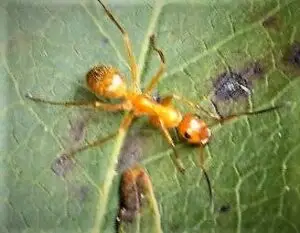
live in and around Duroia Hirstula, a species of tree that provides them with protected nesting areas and offers nutrition in the form of extra floral nectar or food bodies inside the tree.
What does this ant provide the tree in return for food and shelter? They increase the ability of these trees to grow and flourish by creating a safety zone or “Devil’s Garden”.
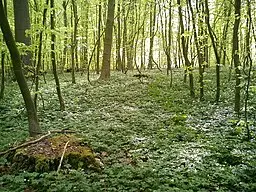
There is no evil spirit involved in these gardens, just a small, highly motivated ant, known as the Lemon Ant. Once the Lemon ant queen establishes her colony in a Duroia hirstula tree, worker lemon ants start to attack all surrounding vegetation, injecting plants with formic acid (produced in internal glands) which kills the plants.
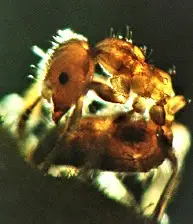
Once the worker ants, which constantly patrol their territory, identify an invading plant species, they attack the plants in mass, causing the plants to die a slow death. Besides killing invasive plants with their internal herbicide, the lemon ants also attack herbivorous, plant eating, insects which attempt to feed on the Duroia hirstula tree. As the Duroia hirstula tree produces saplings, they are also protected by the worker lemon ants. This beneficial relationship is known as mutualism.
However mutually beneficial this relationship might be, in the long run, it might be more of a case of can’t live without them but in the end, for the tree, can’t live with them. There is a downside to this relationship, particularly for the tree, for as the colony grows, it weakens the structure of the tree as the ants establish hollow passages and chambers inside the tree.
Fun Fact:
The name Lemon ant comes from the ability of these ants to produce, as part of a glandular chemical defense system, a lemony smelling acid. When crushed or attacked, citronellal pheromones are created by the ant to communicate alarm and danger to nearby nest mates. These ants also have a tangy lemon taste. So, if you’re adventurous, they’ll provide a delicious, lemony treat.
Eating ants, no matter how tasty, may not be how you want to get rid of ants. Contact our ant exterminator in Los Angeles, CA to find great ways to keep ants out of your yard and out of your home. https://www.corkyspest.com/ultimate-pest-control/